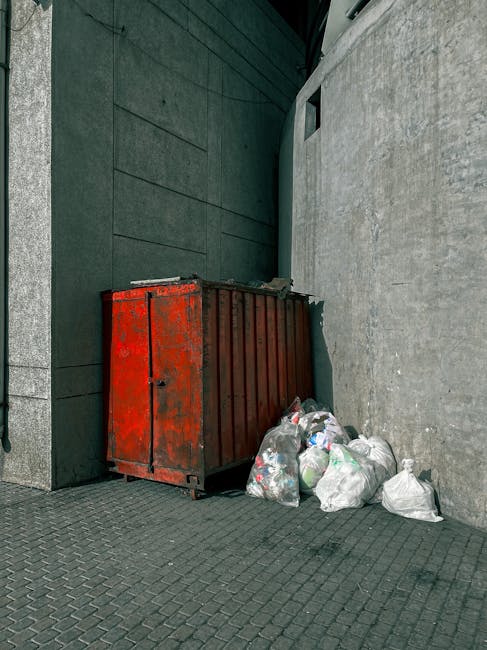
Avoid hidden rubbish removal fees in Hammersmith

If you have ever booked rubbish removal and then felt your stomach drop when the final bill arrived, you are not alone. Hidden charges can turn a simple clear-out into an irritating, expensive surprise. In Hammersmith, where homes, flats, offices, gardens, and renovation projects all create different kinds of waste, it pays to know exactly what you are paying for. This guide explains how to avoid hidden rubbish removal fees in Hammersmith, what to check before you book, and how to compare services without getting caught out by vague pricing or sneaky extras.
We will look at the most common fee traps, how transparent quotes should work, what a fair service usually includes, and the questions worth asking before any waste is taken away. There is a simple idea running through all of this: if the quote is clear, the job is usually smoother too. Funny how that works.
Why Avoid hidden rubbish removal fees in Hammersmith Matters
Hidden fees are not just annoying; they can change the whole value of the service. A quote that looks affordable at first glance can end up costing more once labour, parking, access issues, congestion, weight limits, or item-specific charges are added. That matters even more in Hammersmith, where parking can be tight, access can be awkward in period properties, and flats often mean more stairs, shared entrances, and timing constraints.
Truth be told, rubbish removal pricing should never feel like a guessing game. If you are clearing a loft, replacing a sofa, or emptying a small office, you need a service that explains the price in plain English. Not a puzzle. Not a "starting from" figure that grows legs later on.
Clear pricing also helps you make better decisions. For example, you may compare a one-off collection with a more specialised service such as house clearance, flat clearance, or office clearance. The job type affects the handling time, vehicle size, and disposal method, so a transparent quote helps you match the right service to the right job without paying for guesswork.
Key takeaway: a fair rubbish removal quote should explain what is included, what could change the price, and what happens if the load turns out to be different from what was described.
How Avoid hidden rubbish removal fees in Hammersmith Works
In practice, avoiding hidden rubbish removal fees comes down to three things: accurate information, a detailed quote, and a provider that sticks to the terms. Simple on paper. A bit messier in the real world, especially if you are booking in a hurry and just want the waste gone before lunch.
Most reputable waste collectors will base pricing on one or more of these factors:
- Volume - how much space the waste takes up in the vehicle
- Weight - especially relevant for heavy construction or dense materials
- Item type - furniture, builders waste, garden waste, appliances, mixed waste, and bulky items can all be priced differently
- Access - stairs, narrow hallways, long carries, lifts, and parking distance can affect labour time
- Loading time - if the collection takes longer than expected, some firms charge more
- Disposal route - recycling, reuse, and specialist handling may alter the cost
The important part is not that these factors exist. They do. The issue is whether they are explained before the job starts. If a provider asks the right questions up front, you are far less likely to see surprise add-ons later. Good questions usually cover what you need removed, where it is located, how easy it is to access, and whether anything is especially heavy, fragile, or awkward.
For example, a clear-out of a ground-floor garage is very different from a loft clearance in a top-floor maisonette. If you need something more specific, you might be better served by a dedicated service like garage clearance or loft clearance rather than a generic "all waste" booking.
Key Benefits and Practical Advantages
The biggest benefit is obvious: you keep more control over the final cost. But there are a few other advantages that are easy to overlook.
- Less stress on the day - nobody wants to argue over money while a van is parked outside and the hallway is full of bags.
- Better budgeting - especially useful for moves, refurbishments, or probate clearances where every pound matters.
- Faster decision-making - clear quotes make it easier to compare providers like for like.
- Fewer delays - if the collection team knows the job properly, they are less likely to turn up underprepared.
- More trust - transparent pricing usually goes hand in hand with better communication overall.
There is also a practical benefit if you are coordinating other trades. A builder, decorator, or landlord may be waiting on a cleared space before the next step can happen. When pricing is clear and the service is well defined, the whole process tends to feel steadier. Less faff. More done.
If your waste includes old furniture, mixed household items, or single bulky pieces, related services such as furniture clearance and furniture disposal can sometimes offer a better fit than a generic collection, especially when you want the job handled quickly and properly.
Who This Is For and When It Makes Sense
This matters for far more people than you might think. Hidden fees are not just a concern for large clearances; they can show up in everyday jobs too.
- Homeowners clearing out a loft, garage, spare room, or whole property
- Tenants needing to remove waste before checkout or a move
- Landlords and letting agents handling end-of-tenancy clean-outs
- Tradespeople dealing with builders waste after a small renovation
- Businesses removing office furniture, archive waste, or old equipment
- Garden owners disposing of soil, branches, turf, and green waste
It also makes sense whenever the waste is a little more complex than a couple of black bags. A bag of rubbish is simple. A van load of mixed waste, broken furniture, old carpet, or renovation debris is where pricing details start to matter. If you are managing a bigger site or recurring collections, you may want to look at business waste removal or builders waste clearance rather than a one-off ad hoc pickup.
And yes, even if you only have "a few things", it is worth asking for the full breakdown. A few things has a way of becoming a lot when the team starts loading, hasn't it?
Step-by-Step Guidance
If you want to avoid hidden rubbish removal fees in Hammersmith, use a process. Not a vague hope. A process.
- List everything that needs removing. Be specific. "Old furniture and some bags" is not as helpful as "1 wardrobe, 1 sofa, 8 bin bags, 2 broken chairs, and a dismantled desk."
- Take photos. Good photos help the provider judge volume and access. Include awkward corners, stairs, and anything heavy.
- Explain access clearly. Mention top-floor flats, narrow staircases, basement rooms, rear-garden access, permit parking, or long carries from the road.
- Ask what is included. Labour, loading, disposal, recycling, congestion, parking, and VAT should all be clear if applicable.
- Ask what could change the price. This is one of the best anti-surprise questions you can ask.
- Request a written quote or written summary. Even a short written confirmation helps avoid later confusion.
- Check the collection window. Some firms charge more for same-day, out-of-hours, or timed arrivals.
- Confirm special items. Fridges, mattresses, paint, electrical items, and certain construction materials may need specific handling.
- Review the terms before agreeing. A quick read now can save an awkward conversation later.
- Keep the quote and job notes. If a question arises, you will be glad you did.
A small but useful habit: if you are unsure whether something counts as a bulky item, mention it anyway. A two-minute question can prevent a two-hour misunderstanding.
Expert Tips for Better Results
Here are the little things that tend to separate a smooth collection from a frustrating one.
1. Be honest about the volume
People often understate how much they have. Not deliberately, usually. It just looks smaller when it is spread across a room. But if the load is larger than described, a provider may need to adjust the price. Better to over-explain than under-explain.
2. Separate special waste early
If possible, keep garden waste, furniture, and builders debris apart. Mixed waste can be more expensive to handle and sort. A tidy pile also makes the job quicker, which is never a bad thing.
3. Ask about access before the team arrives
In Hammersmith, parking and access can be the hidden cost nobody sees coming. If a van cannot stop close to the property, extra labour may be needed. Stairs are another common one. A flat on the third floor with no lift is not the same as a ground-floor collection, obviously.
4. Compare on "total likely cost", not headline price
A very cheap headline quote can be misleading if the provider later adds fees for waiting time, loading, stairs, or disposal. Compare the likely final amount, not the tempting first number.
5. Use a service that fits the job
If you are removing one sofa, a specialist furniture collection may be ideal. If you are clearing several rooms after a move, a broader home clearance or house clearance may be more efficient. Matching the service to the job is one of the easiest ways to avoid paying for the wrong thing.
6. Read the customer-facing policies
Trustworthy companies usually make their payment, security, insurance, and complaints information easy to find. That does not guarantee perfection, but it is a good sign. You can also review their pricing and quotes, payment and security, and insurance and safety information to get a feel for how they work.
Common Mistakes to Avoid
Most hidden-fee problems happen because one small detail was missed. That is all it takes.
- Accepting a quote without asking what it covers
- Forgetting to mention stairs or parking restrictions
- Assuming the cheapest quote is the best value
- Not checking whether VAT is included
- Leaving special items until collection day
- Using a general waste service for a specialised job
- Not getting the price confirmed in writing
- Ignoring the terms and conditions
One common mistake deserves its own line: people often describe waste as "just rubbish" when it is actually mixed material, bulky furniture, or building debris. That loose description can trigger a different pricing band. Be specific. Boring, yes. Helpful, very.
Another one is forgetting that access affects labour. A driveway collection is not the same as carrying several wardrobe panels down two flights of stairs through a narrow landing. The quote needs to reflect reality, not best-case optimism.
Tools, Resources and Recommendations
You do not need fancy tools to protect yourself from hidden rubbish removal fees. You need a few sensible habits and the right information before the booking.
- Phone camera - take clear photos of the waste and access points
- Quick checklist - write down item counts, floor level, and parking details
- Measurement estimates - rough dimensions can help with bulky items like wardrobes or desks
- Written notes - keep the quote, date, and any special promises in one place
It is also worth considering which service page best matches your job before you request a collection. For instance, garden clearance is usually a better fit for branches, soil, and green waste, while garage clearance suits mixed stored items, old boxes, tools, and forgotten clutter. If the job is office-related, office clearance may be the better route.
If the company is transparent, the pricing page, policies, and service pages should all tell a consistent story. That consistency matters. A lot more than slick wording, if we are honest.
Law, Compliance, Standards, or Best Practice
Rubbish removal in the UK is not just a matter of price. There are compliance and duty-of-care considerations as well. You do not need to become an expert in waste law, but you should expect the provider to operate responsibly, handle waste appropriately, and be clear about how items are collected, transported, and disposed of.
As best practice, a reputable service should be able to explain:
- whether items will be reused, recycled, or disposed of
- how hazardous or awkward materials are handled
- what happens if the load includes restricted or specialist waste
- how the team manages health and safety on site
- what payment terms apply before and after collection
That is why pages such as recycling and sustainability and health and safety policy are useful reading before you commit. They help you judge whether the service is just selling convenience or actually running a professional operation.
For businesses, responsibility is especially important because waste streams can be more varied and time-sensitive. A provider that understands business waste removal and can explain its process clearly is far less likely to spring an awkward fee later. Best practice is not glamorous, but it saves money. And stress. Which is probably the better deal.
Options, Methods, or Comparison Table
There is no single best option for every job. The right choice depends on how much waste you have, what type it is, and how quickly you need it gone.
| Option | Best for | Potential fee risks | When it makes sense |
|---|---|---|---|
| General rubbish removal | Mixed household or light commercial waste | Hidden extras for access, waiting time, or special items | When the load is straightforward and well described |
| House clearance | Whole-property or room-by-room clear-outs | Underestimating volume or labour | When several rooms, floors, or bulky items are involved |
| Furniture clearance/disposal | Sofas, wardrobes, beds, and tables | Special handling charges for heavy or awkward items | When the main waste is furniture rather than mixed rubbish |
| Garden clearance | Green waste, cuttings, soil, and outdoor clutter | Weight-based charges for heavy loads | After landscaping, pruning, or seasonal tidy-ups |
| Builders waste clearance | Renovation rubble, timber, packaging, and mixed site waste | Extra costs for dense or restricted materials | After small building works or refurbishments |
If you are unsure which method fits your situation, think about the waste itself first, then the access, then the timing. That order usually gives a better result than chasing the cheapest headline price.
Case Study or Real-World Example
Here is a simple real-world scenario. A homeowner in Hammersmith is clearing a two-bedroom flat before a move. The waste includes a sofa, a dismantled bed frame, four bags of household rubbish, two shelves, and some boxed clutter from a cupboard that seems to reproduce items overnight.
At first, the homeowner gets one vague quote over the phone and another that sounds cheaper but says "subject to load on arrival." That phrase can be harmless. Or it can be the start of a pricing headache.
Instead of booking straight away, the homeowner sends photos, mentions that the flat is on the second floor, notes that there is no lift, and confirms parking is on a busy street. The revised quote is a little higher than the original headline price, but it includes loading, removal, disposal, and access details. No drama on the day. The team arrives, works steadily, and the final cost matches the agreed figure.
That is the outcome you want. Not necessarily the lowest number on the page, but the one that actually stays put.
A similar approach works for a garden tidy-up or office clear-out. The more specific the information, the less room there is for surprise charges. Simple, but it makes all the difference.
Practical Checklist
Use this quick checklist before you confirm a rubbish removal booking:
- Have I listed every item or type of waste?
- Have I sent photos, if possible?
- Have I explained stairs, lift access, parking, and carrying distance?
- Do I know whether the quote includes loading, disposal, and VAT if applicable?
- Have I asked what could increase the price?
- Have I checked whether any items need special handling?
- Have I compared the service with a more suitable option such as house, flat, garage, loft, garden, or office clearance?
- Have I read the pricing and terms pages?
- Have I got the key details in writing?
- Am I comfortable that the provider sounds clear, consistent, and professional?
If the answer to any of those is no, pause for a moment. Better a short pause now than an irritating bill later.
Conclusion
To avoid hidden rubbish removal fees in Hammersmith, the real goal is simple: get a quote that reflects the job as it actually is, not as you hope it might be. Be specific about the waste. Be honest about access. Ask what is included. And do not be shy about asking one more question if something sounds too vague.
That approach protects your budget, reduces stress, and helps you choose the right service for the job. Whether you are clearing a flat, removing old furniture, tackling garden waste, or dealing with builders debris, clear pricing is the difference between a smooth collection and a frustrating one. In a busy area like Hammersmith, that clarity is worth its weight in old carpet.
If you are ready to compare options, check the service details, review the pricing information, and choose a provider that explains everything properly before the van even turns up.
Get a free quote today and see how much you can save.
Frequently Asked Questions
How do I know if a rubbish removal quote has hidden fees?
Look for vague language such as "subject to load," "extras may apply," or "from" pricing with no proper explanation. A reliable quote should say what is included, what could change the price, and whether VAT, labour, or disposal are covered.
What information should I give to get an accurate quote?
Give the type of waste, rough volume, item count, weight if known, access details, floor level, parking situation, and any special items. Photos help a lot too. The more specific you are, the less room there is for surprise charges.
Are stairs likely to increase the price?
They can, especially if the collection involves heavy or bulky items and there is no lift. It depends on the provider's pricing model, but access is one of the most common reasons a quote changes.
Is the cheapest rubbish removal service usually the best value?
Not always. A low headline price can miss labour, disposal, or access costs. The best value is usually a clear, all-in quote that matches the actual job and does not change later without good reason.
Should I ask for a written quote?
Yes, if possible. A written summary helps avoid misunderstandings and gives you something to refer back to if a question comes up on the day.
Do different waste types affect the final price?
Absolutely. Furniture, garden waste, builders waste, and mixed household rubbish may all be priced differently. Heavy or awkward items can also change the quote because they take more time and effort to handle.
How can I avoid fees for special items?
Flag them early. Mention mattresses, fridges, paint, electrical items, large wardrobes, or anything heavy, dirty, fragile, or hard to move. If a provider knows in advance, they can quote properly.
What if I only have a small amount of rubbish?
It is still worth asking about the full cost. Small loads can still attract minimum charges or access-related fees. A quick check on pricing is still the smart move.
Are clearances better than a general rubbish pickup?
Often yes, if the job is bigger or more specific. For example, house clearance, flat clearance, garage clearance, or office clearance may be more suitable than a general waste pickup if the contents are varied or bulky.
How do recycling and disposal practices affect pricing?
Some services factor recycling and sorting into their pricing, especially if items need separate handling. That does not automatically mean higher cost, but it should be explained clearly. Transparency matters more than the label.
What should I do if a company tries to add a fee on arrival?
Ask what has changed compared with the agreed quote and refer back to the original terms or written summary. If the reason is not clear or does not match what you described, do not feel pressured to agree on the spot.
When should I choose a specialist service instead of general rubbish removal?
If the job is mainly furniture, garden waste, builders debris, or a full property clear-out, a specialist service usually makes more sense. Matching the service to the waste type helps avoid both confusion and unnecessary charges.
One last thought: a good rubbish removal booking should feel straightforward, not like decoding a mystery novel with bins in it. If the quote is open, the service is usually easier too.