
Insurance and Safety for House Clearance Hammersmith
When you choose a reputable insured rubbish company for house clearance in Hammersmith, safety and insurance cover are not optional extras — they are fundamental. Our explanation here outlines how a fully insured rubbish removal company operates to protect clients, staff, and third parties. We explain the cover levels, the role of staff training, the personal protective equipment used on site, and the formal risk assessment process that underpins every job. Whether you search for an insured waste company or a specialist insured rubbish clearance company, understanding these safeguards will help you make an informed decision.Public Liability Insurance: What It Means for You
The cornerstone of any credible insured rubbish removal company is robust public liability insurance. This policy protects homeowners and members of the public if property damage or injury occurs during a clearance. A professional insured house clearance company will maintain high coverage limits and provide written evidence on request. Typical policies cover accidental damage to flooring, fixtures, neighbouring properties and personal injury where liability is established. Choosing an insured rubbish and clearance company minimises the risk that you will be left to meet legal or repair costs after an incident.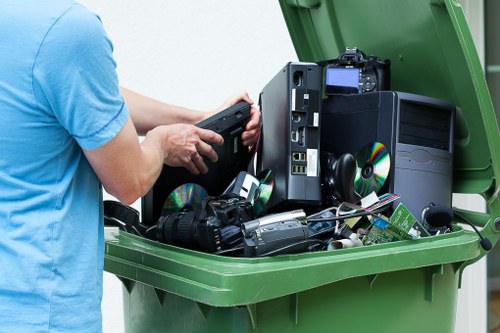
Policy Scope, Limits and Verification
It is important to understand the scope of cover: insurances differ by limit, exclusions and conditions. An insured waste company commonly has public liability limits expressed in millions, specialist cover for hazardous items, and employer liability for staff. Always check that the insurer and policy dates are current; a responsible insured rubbish company will happily confirm these details and incorporate them into transparent pre-job paperwork.Comprehensive Staff Training and Competency
Staff competency is the practical backbone of safety. A professional insured rubbish removal company operates a formal training programme that includes manual handling, safe lifting techniques, awareness of hazardous materials, and customer-handling protocols. Training records are retained and audited; they demonstrate that operatives are not only experienced but also regularly refreshed on best practice. This reduces accidents, ensures legal compliance and is essential for both employer liability and public protection.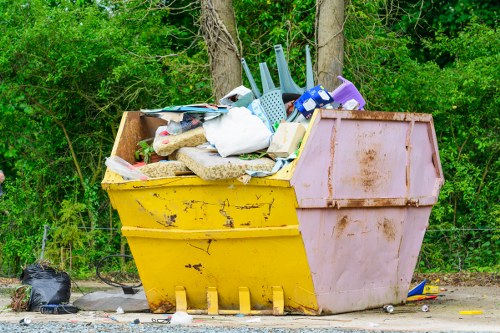 Personal Protective Equipment (PPE) and On-Site StandardsOn every clearance the team uses appropriate PPE: gloves, steel-toe boots, hi-vis clothing, dust masks and eye protection when needed. For specific tasks our teams may deploy additional protection such as respirators, hearing protection and specialist protective suits. The insured rubbish clearance company policy will include standards for PPE provision and maintenance. Typical PPE checklist items include:
- Hand protection — cut-resistant and disposable gloves
- Foot protection — reinforced boots for heavy items
- Respiratory protection — masks or respirators when dust or biohazards are present
- High visibility — for roadside or complex multi-occupant sites
These measures protect staff and clients and are recorded as part of every job sheet by an insured waste company committed to safe practice.
Risk Assessment Process: Step-by-Step
Every legitimate insured rubbish company follows a documented risk assessment process before work begins. This formal process begins with an initial visual inspection and continues with a written assessment that identifies hazards, evaluates risks and prescribes control measures. Typical stages include:1. Site survey — identify trip hazards, structural issues, access limitations and potential hazardous materials (e.g., asbestos fragments, sharps, chemicals).
2. Hazard classification — assign risk levels to each identified hazard and determine required controls.
3. Control measures — specify PPE, isolation procedures, safe handling protocols and waste segregation methods.
4. Documentation and briefings — confirm responsibilities and ensure staff sign to acknowledge understanding.

Waste Segregation and Legal Disposal
Part of the risk assessment addresses how waste will be handled and disposed of lawfully. An insured rubbish removal company will separate recyclables, general waste and hazardous items, keeping records of where waste is transported. Compliance with environmental regulations protects both the client and the clearance company from legal exposure and is a standard practice for any accountable insured waste company.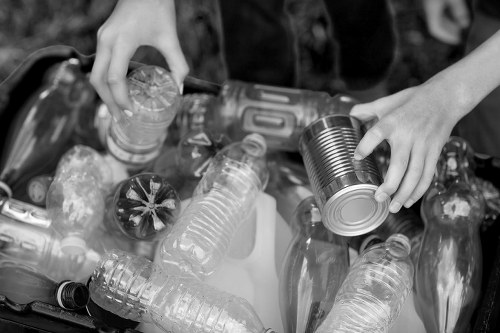 Emergency Procedures, Reporting and Continuous ImprovementFinally, a responsible insured rubbish clearance company maintains clear emergency procedures and incident reporting. If an incident occurs, staff follow an established protocol: secure the scene, administer first aid, notify emergency services if required, and escalate to management. Reports are investigated, lessons learned are applied to training, and policies updated. Continuous improvement ensures that insurance cover is supported by excellent operational standards, creating a reliable and safe service for house clearance in Hammersmith and surrounding areas.