LBHF Rules for Hazardous Waste and Local Rubbish Disposal
If you live, work, or clear property in Hammersmith and Fulham, the rules around hazardous waste and local rubbish disposal can feel a bit fiddly at first. One minute you are sorting a broken cupboard, the next you are staring at a tube of paint, an old battery, or a bag of rubble and thinking: where on earth does this actually go? That is exactly why understanding LBHF rules for hazardous waste and local rubbish disposal matters. Get it right and you save time, avoid mess, and reduce the risk of penalties or unsafe dumping. Get it wrong and even a small clear-out can turn into a headache.
This guide breaks the topic down in plain English. You will learn what usually counts as hazardous waste, how local household rubbish is handled, what good disposal practice looks like, and when it makes sense to use a professional clearance service. I will also flag the common mistakes people make in a rush. To be fair, most of them are completely avoidable.
Expert summary: In LBHF, the safest approach is simple: separate hazardous items early, keep normal rubbish clean and contained, and use approved collection or disposal routes for anything risky, bulky, or awkward. If in doubt, do not mix waste streams. That one habit solves more problems than people realise.
Table of Contents
- Why LBHF rules for hazardous waste and local rubbish disposal Matters
- How LBHF rules for hazardous waste and local rubbish disposal Works
- Key Benefits and Practical Advantages
- Who This Is For and When It Makes Sense
- Step-by-Step Guidance
- Expert Tips for Better Results
- Common Mistakes to Avoid
- Tools, Resources and Recommendations
- Law, Compliance, Standards, or Best Practice
- Options, Methods, or Comparison Table
- Case Study or Real-World Example
- Practical Checklist
- Conclusion
- Frequently Asked Questions
Why LBHF rules for hazardous waste and local rubbish disposal Matters
Hazardous waste is not just "a bit of bad rubbish". It can burn, leak, react, contaminate other waste, or create health and safety risks for anyone handling it. In a London borough like LBHF, where space is tight and collections need to run cleanly and safely, the difference between ordinary rubbish and hazardous material matters more than people sometimes expect.
Local rubbish disposal also matters because the borough is dealing with a wide mix of waste streams every day: household clear-outs, landlord and tenant turnover, renovation debris, garden waste, office items, furniture, and general mixed rubbish. If these streams are muddled together, the end result is usually more expensive, slower to process, and harder to recycle. Nobody wants to drag a damp mattress, a half-full paint tin, and a sack of broken tiles through the same route if they do not have to.
There is also a practical side. When waste is set out carelessly, it can block communal areas, attract complaints from neighbours, or lead to collections being refused. That is especially true in flats, terraces, and busy streets where a small pile can become a very visible problem by 8 a.m. on a Monday. A tidy, separated approach just works better.
For households and businesses, the main takeaway is straightforward: hazardous waste needs extra care, and normal rubbish still needs proper sorting and presentation. The goal is not bureaucracy for its own sake. It is safety, efficiency, and compliance in one neat package.
How LBHF rules for hazardous waste and local rubbish disposal Works
At a practical level, LBHF waste handling follows the normal UK principle that different kinds of waste should be stored, collected, and processed according to risk. In plain English: do not treat everything as general rubbish.
Hazardous waste usually includes items that can harm people, property, or the environment if they are smashed open, mixed with ordinary waste, or handled badly. The exact classification depends on the item and its condition, but common examples include:
- paint, solvents, and chemical containers
- pesticides and garden chemicals
- fluorescent tubes and some electrical items
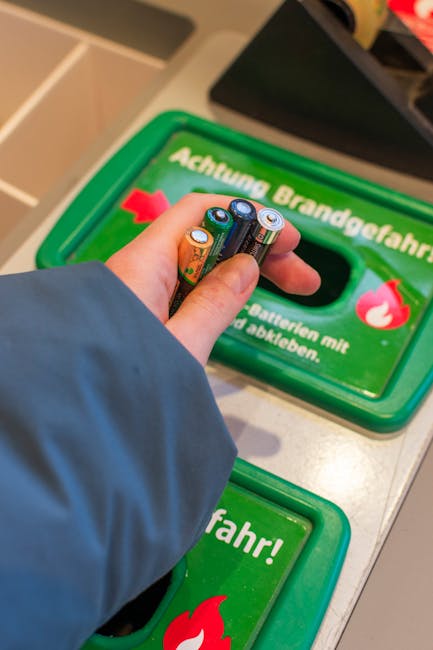
- batteries and ????????? no, let's keep it real: household batteries and power packs
- oily rags, fuels, and other flammable materials
- asbestos-containing materials, which should never be treated casually
- clinical or contaminated waste, where relevant
Normal local rubbish is the stuff most homes produce every week: food waste, packaging, broken household items, worn-out clothing, and non-hazardous mixed rubbish. Even then, local rules and good practice still apply. Bags should be securely tied, sharp items wrapped safely, and bulky items separated so they can be removed without causing damage or injury.
In LBHF, as in many boroughs, the real-life process usually comes down to this: identify the waste, separate it, check whether it needs specialist handling, and use the right disposal route. If you are dealing with a house clearance, loft clear-out, or post-renovation pile, that sorting stage is where the whole job is won or lost. Skip it and everything gets messy. Quickly.
For larger jobs, professional support can make the process much easier. A service such as waste removal is often the practical route when you have mixed items and need them handled carefully, while a more specific job like builders waste clearance makes more sense when rubble, timber, and construction leftovers are the main issue. And if the job sits inside a wider property clear-out, options like home clearance or house clearance can be more efficient than trying to tackle everything piecemeal.
Key Benefits and Practical Advantages
Following LBHF rules for hazardous waste and local rubbish disposal is not just about avoiding trouble. It actually makes the whole process smoother. Here is what that looks like in practice.
- Safer handling: hazardous items are kept away from family members, neighbours, cleaners, and collection crews.
- Less contamination: recyclable material stays cleaner and is more likely to be processed correctly.
- Fewer collection problems: bins, bags, and loose items are easier to present in the right way.
- Better time management: sorted waste is quicker to remove, whether you are DIY-ing it or booking help.
- Lower stress: you are not standing there on a wet Thursday evening wondering what to do with a mystery tin of liquid.
- More predictable costs: mixed waste that has been separated sensibly is usually easier to quote for and plan around.
There is also a less obvious benefit: a good waste routine makes future clear-outs easier. Once you get used to keeping batteries apart from general rubbish, and plasterboard apart from soft furnishings, the next job becomes far less chaotic. You feel it immediately. Less rummaging, less lifting twice, fewer "where did I put that?" moments.
For businesses, the gain is even more practical. A workplace that sorts rubbish well tends to stay tidier, safer, and easier to maintain. That matters in offices, shops, and shared premises where waste can build up fast. If you are dealing with commercial rubbish on a regular basis, business waste removal is worth considering because it gives you a cleaner system instead of constant ad hoc fixes.
Who This Is For and When It Makes Sense
This topic is relevant to a lot more people than you might think. It is not only for contractors or landlords with complicated sites. In day-to-day life, LBHF rules for hazardous waste and local rubbish disposal matter for:
- homeowners clearing a loft, garage, or spare room
- tenants moving out and disposing of unwanted household items
- landlords preparing a flat between lets
- small businesses replacing furniture or office equipment
- tradespeople finishing a renovation job
- garden owners with leftover chemicals, soil, or broken equipment
It makes sense to pay closer attention when you see any of the following:
- the waste includes liquids, powders, or chemical containers
- there are sharp, heavy, or broken items mixed in
- you have bulky rubbish in a flat with narrow access
- the waste has been sitting for a while and may have damp, mould, or odour issues
- you are combining normal rubbish with items that need special handling
A common scenario is a Saturday clear-out in a flat where the person doing the work has found old paint tins in the cupboard, a cracked mirror, a bag of cables, and several bin bags of clutter. On paper it looks simple. In real life, you need a method. If the flat has stairs, limited parking, or shared access, the easiest route is often to organise the waste properly first and then arrange a clearance that matches the load. That is where flat clearance becomes genuinely useful.
Step-by-Step Guidance
If you want a simple, workable process, use this. It is not flashy, but it saves time and reduces mistakes.
- Walk through the space slowly. Look for anything that could be hazardous, sharp, leaky, bulky, or unusually heavy. Do not rush this bit.
- Separate hazardous items first. Put chemicals, batteries, paint, oils, and similar items away from the main rubbish pile.
- Sort the non-hazardous waste into groups. Keep general rubbish, recyclables, bulky household items, and garden or builders waste apart where possible.
- Wrap or secure dangerous edges. Broken glass, metal, or contaminated material should be safely contained before moving it.
- Check access and lift routes. In a block of flats or a narrow terrace, this matters more than people like to admit.
- Decide what you can handle yourself. Small, safe loads may be manageable. Larger mixed waste probably needs support.
- Choose the right disposal route. Normal rubbish, furniture, and construction debris should be treated differently.
- Keep paperwork or notes if the job is commercial. For business waste, keep a clear record of what left the premises and when.
If you are clearing a cluttered home, a loft, or a garage, the job often becomes more efficient when you treat it as a sequence rather than a heap. First the dangerous stuff. Then the bulky stuff. Then the general rubbish. It sounds almost too basic, but honestly, basic wins.
For awkward furniture, damaged items, or mixed bulky loads, it may be better to book a dedicated service such as furniture clearance or furniture disposal. If the mess has spread into the roof space, loft clearance can save a lot of climbing and back-and-forth.
Expert Tips for Better Results
There are a few habits that make a very real difference when handling hazardous waste and local rubbish. These are the things people who do this often tend to know by instinct.
- Use a "maybe hazardous" box. If you are unsure about an item, do not throw it into the general pile. Keep it aside until you confirm what it is.
- Never mix liquids with solid rubbish. Even small spills can ruin a whole bag or box and create extra handling risk.
- Keep batteries taped or isolated. That tiny step prevents contact issues and accidental shorting.
- Remove lids carefully. Old tins and containers can trap fumes or residue. Open them cautiously, not with brute force.
- Plan for weather. Rain can turn cardboard, paper, and soft furnishings into a sodden mess that is much harder to move.
- Leave access clear. A clean route from the property to the collection point speeds everything up.
- Ask for a specialist approach when needed. Some jobs are not just "more rubbish"; they are a different category altogether.
One small but useful trick: if you are doing a clear-out in the evening, use a torch rather than relying on the room light alone. You will notice the odd stuff much more easily. A dusty cable, a cracked bottle, a forgotten aerosol. Those little things are easy to miss when you are tired and want to be done already.
If you are managing regular property maintenance, pairing waste planning with a proper clearance service is often the cleanest route. For example, after a renovation, builders waste clearance can keep rubble and offcuts under control, while recycling and sustainability guidance on the same site may help you think more carefully about what can be recovered rather than simply binned.
Common Mistakes to Avoid
Most problems with LBHF rules for hazardous waste and local rubbish disposal come from haste, not bad intent. People are busy. The van is due. The skip is full. The weather looks grim. Fair enough. But the mistakes tend to repeat.
- Mixing hazardous and general waste. This is the big one. It can create safety and processing problems very quickly.
- Putting liquid waste in ordinary bins. Leaks, smells, and contamination follow. Not ideal.
- Leaving sharp items exposed. Broken glass and metal edges should be wrapped or boxed.
- Assuming all electrical waste is the same. Some items are straightforward; others need extra care because of batteries or internal components.
- Blocking communal areas. In flats and shared buildings, this is one of the fastest ways to annoy everybody.
- Underestimating weight. Bags of rubble, books, or wet garden waste can be heavier than they look.
- Ignoring odours, stains, or residue. These are often signs an item needs special treatment.
Another common mistake is the "I'll just move it all together and sort it later" approach. It sounds efficient. It usually is not. By the time the waste is piled up in one corner, everything has been compressed, confused, and maybe damaged. Sorting after the fact tends to take longer, not less.
And if you are working in a business setting, do not forget that waste responsibility is part of the day job, not an optional extra. Office bits and office rubbish can be more awkward than they look, especially when you have cable clutter, packaging, old monitors, and confidential materials all in one place. A service like office clearance can be the tidier option when the pile is more than a few bags.
Tools, Resources and Recommendations
You do not need a warehouse full of equipment to dispose of rubbish properly, but a few basic tools help a lot. Here is what usually makes a practical difference:
- sturdy gloves for handling sharp or dirty items
- heavy-duty sacks for general rubbish
- boxes or tubs for smaller hazardous items
- tape for securing battery terminals or wrapping edges where suitable
- a marker pen to label uncertain items
- a torch for dark spaces, lofts, and cupboards
- a dustpan, brush, or basic hand tools for tidying broken material
As for recommendations, the best one is probably this: build your clear-out around the waste type, not around your patience level. If the job involves old furniture, use a furniture-specific route. If it is a garden mess with broken pots and green waste, think garden clearance. If it is a whole-house tidy-up after a move, use a broader service that can handle mixed loads in one go. For garden-related waste, garden clearance is a sensible fit. For broad domestic jobs, home clearance is often easier than trying to split the job into five tiny pieces.
It can also help to review service information before booking. Pages such as pricing and quotes, insurance and safety, and health and safety policy give useful reassurance about how a company approaches the work. Not glamorous reading, admittedly, but useful. Very useful.
Law, Compliance, Standards, or Best Practice
When people talk about waste compliance in the UK, the key idea is duty of care. In plain language, that means anyone producing, storing, carrying, or handing over waste should take reasonable steps to make sure it is dealt with properly. That includes separating hazardous items, presenting rubbish safely, and using a responsible carrier or disposal route where required.
For LBHF households, that usually means following local collection rules, keeping waste contained, and not placing unsafe items into ordinary rubbish streams. For businesses, the expectations are tighter. Records, segregation, and responsible transfer become more important because the waste has been generated in a commercial setting. If you are a business owner, it is worth treating waste as part of compliance, not just housekeeping.
Best practice also means being cautious where specialist waste is involved. Asbestos, chemicals, and contaminated material should be treated with particular care. If there is any doubt, do not improvise. Honestly, the confident-but-wrong approach is the one that causes the expensive problems later.
A sensible rule of thumb is this: if the item can leak, burn, fume, contaminate, cut, or react, pause and classify it properly before disposal. That small pause is often the difference between a smooth collection and a mess nobody wants.
Options, Methods, or Comparison Table
There is more than one way to handle hazardous waste and local rubbish in LBHF. The best choice depends on quantity, access, and how mixed the load is.
| Method | Best for | Advantages | Limitations |
|---|---|---|---|
| Self-sorting and normal household disposal | Small, safe amounts of general rubbish | Low cost, straightforward, flexible | Not suitable for hazardous or bulky mixed waste |
| Specialist separation before collection | Homes with a few risky items | Reduces contamination, improves safety | Still requires time and careful handling |
| Dedicated clearance service | Flats, houses, offices, and mixed clear-outs | Fast, practical, less physical effort | May cost more than DIY disposal |
| Targeted service by waste type | Furniture, builders waste, lofts, gardens | More efficient for specific waste streams | Less useful if the load is highly mixed |
In many real jobs, the answer is not one method, but a combination. You might separate batteries and chemicals yourself, then book a clearance for the rest. Or you may keep furniture and rubble apart so each can be handled more efficiently. That hybrid approach is often the sweet spot.
Case Study or Real-World Example
Imagine a landlord in Hammersmith who needs to clear a one-bedroom flat after a tenant move-out. The property has a broken bedside lamp, a couple of old paint tins in the airing cupboard, a damaged chair, some bagged general rubbish, and a box of loose cables. There is also a small amount of building dust from a previous repair.
If everything goes into one pile, it becomes awkward fast. The paint tins need checking. The lamp may contain electrical components. The cables should not be mixed with wet rubbish or food waste. The chair is bulky, and the dust needs handling carefully so it does not spread through the hallway.
The sensible route is:
- remove and isolate the paint tins and any unknown containers
- separate the broken electrical item and cables
- bag the general rubbish securely
- group the bulky furniture separately
- book a clearance that can handle mixed non-hazardous waste cleanly
In a case like this, a flat can be restored to a tidy, workable state much faster when the waste is separated before the team arrives. It is calmer too. Less chance of finding a dodgy container at the bottom of the pile right when you thought you were nearly finished.
Practical Checklist
Use this checklist before you dispose of waste locally in LBHF:
- Have I identified any hazardous items?
- Have I kept chemicals, batteries, and liquids apart from general rubbish?
- Are sharp objects wrapped or boxed safely?
- Have I separated furniture, builders waste, and garden waste where possible?
- Is anything heavy enough to need two people?
- Will the items block stairways, pavements, or communal areas?
- Do I need a specialist clearance rather than ordinary rubbish collection?
- Have I checked whether confidential or commercial material needs extra care?
- Are bags tied, sealed, and ready for collection?
- Do I have a clear route from the property to the loading point?
If you can tick most of those boxes, you are in a much better place. If not, slow down a little and re-sort before you move anything. That pause often saves the whole job.
Conclusion
LBHF rules for hazardous waste and local rubbish disposal are easier to manage when you keep one idea front and centre: sort first, move second, dispose third. Hazardous items need extra caution, ordinary rubbish still needs proper containment, and bulky or mixed loads are usually best handled with a planned approach rather than guesswork.
Whether you are emptying a loft, cleaning out a garage, preparing a flat, or dealing with business rubbish, the same principles apply. Separate what is risky, keep the rest tidy, and choose the right disposal route for the job. Simple enough on paper, but it makes a real difference in practice.
If you want the work handled properly, with less stress and fewer mistakes, it is worth exploring your options early rather than when the room is already half-full of bags. A bit of planning goes a long way. Sometimes that is all you need.
Get a free quote today and see how much you can save.
Frequently Asked Questions
What counts as hazardous waste in LBHF?
Hazardous waste is anything that can pose a risk because it is toxic, flammable, corrosive, sharp, contaminated, or otherwise unsafe to mix with ordinary rubbish. Common examples include paint, solvents, batteries, aerosols, chemicals, and some electrical items. If you are unsure, keep it separate until you can identify it properly.
Can I put paint tins in my normal rubbish bin?
Not if they still contain liquid paint or residue that could leak. Even an "empty" tin can still cause problems if it is messy inside. Treat paint-related waste cautiously and keep it apart from general household rubbish.
How should I dispose of batteries safely?
Keep batteries apart from other rubbish, especially metal items and liquids. If possible, store them in a dry container and prevent terminals from contacting other batteries or conductive material. Small habits here make a big difference.
What should I do with broken glass or sharp metal?
Wrap it securely, box it where possible, and label it if needed so nobody gets a nasty surprise. Never leave sharp waste loose in a bag where it can tear through and injure someone.
Is builders waste treated differently from household rubbish?
Yes, generally speaking. Rubble, plaster, timber, tiles, and similar construction waste are usually better handled as builders waste rather than mixed household rubbish. That keeps sorting cleaner and often makes the collection process smoother.
Do I need a professional waste removal service for a small clear-out?
Not always. Small amounts of safe, ordinary rubbish can often be handled yourself. But once the load includes bulky items, mixed materials, or anything hazardous, a professional route becomes much more sensible.
What is the best option for a flat clearance with mixed items?
For a flat with furniture, general rubbish, and a few awkward items, a flat clearance service is often the most practical solution. It helps when access is limited and the waste needs sorting before removal.
Can businesses use the same rubbish rules as households?
Some principles are the same, but business waste usually needs a more structured approach. Commercial waste should be stored and transferred carefully, with clearer records and better segregation. It is one of those things that seems minor until it is not.
How do I know if an item needs specialist disposal?
If it smells strong, leaks, smokes, contains chemicals, has uncertain contents, or looks like it could be hazardous, treat it as specialist until proven otherwise. When in doubt, do not lump it in with general waste.
What is the safest way to dispose of a loft full of old junk?
Start by identifying hazardous items, then separate reusable or bulky pieces, and only then move the rest. Loft spaces often hide old tins, cables, and forgotten containers, so go slowly and use good lighting.
Are garden chemicals included in hazardous waste rules?
They can be, yes. Pesticides, weed killers, and similar products should be treated carefully and never tipped into ordinary rubbish or drains. Keep them sealed and separated.
How can I reduce waste disposal problems before collection day?
Sort early, label uncertain items, keep the route clear, and avoid overfilling bags. If you have mixed loads, break them into sensible groups before collection. That one change can make the whole process feel far less chaotic.
What should I read before booking a clearance service?
It helps to look at pricing, safety, insurance, and sustainability information so you know how the service works and what is included. A little reading saves a lot of awkward assumptions later.
Where do I go next if I need help with disposal in Hammersmith and Fulham?
If the job is larger than a standard household tidy-up, start by thinking about the waste type and the access. Then choose the most suitable clearance option, whether that is waste removal, furniture disposal, garage clearance, or a broader house clearance. That usually gets you to the right answer faster than trying to force everything into one box.
For more about the company behind these services, you can also review about us and the contact page if you need to discuss a particular job. And if you are weighing up the environmental side of disposal, recycling and sustainability is well worth a look.