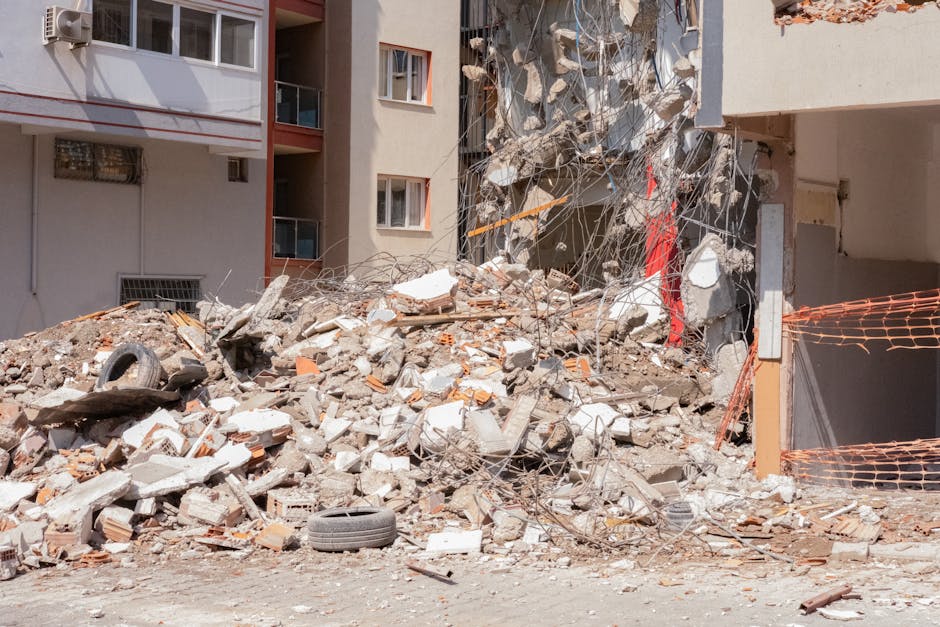
Urgent rubbish removal after loft clearouts in Hammersmith
If you have just finished a loft clearout and the staircase is suddenly lined with old boxes, dusty furniture, broken suitcases, and bags of who-knows-what, you are probably not looking for a long lecture. You want the rubbish gone. Quickly. That is exactly where urgent rubbish removal after loft clearouts in Hammersmith comes in: a practical, local solution for clearing the mess before it takes over the house, blocks access, or turns into a safety headache.
In a busy part of West London, loft jobs often happen in real life, not in neat little stages. Maybe the surveyor is due. Maybe you are preparing a move. Maybe the loft finally got tackled after years of storage buildup and now the hard part is downstairs. This guide explains how urgent loft waste removal works, what to expect, what to avoid, and how to make the whole thing feel manageable rather than chaotic. A bit of calm helps, honestly.
Table of Contents
- Why Urgent rubbish removal after loft clearouts in Hammersmith Matters
- How Urgent rubbish removal after loft clearouts in Hammersmith Works
- Key Benefits and Practical Advantages
- Who This Is For and When It Makes Sense
- Step-by-Step Guidance
- Expert Tips for Better Results
- Common Mistakes to Avoid
- Tools, Resources and Recommendations
- Law, Compliance, Standards, or Best Practice
- Options, Methods, or Comparison Table
- Case Study or Real-World Example
- Practical Checklist
- Conclusion
- Frequently Asked Questions
Why Urgent rubbish removal after loft clearouts in Hammersmith Matters
Loft clearouts usually create more rubbish than people expect. One old chest of drawers becomes three loads of mixed waste, and then there are bagged clothes, cracked storage tubs, insulation offcuts, cardboard, lamps, broken kids' items, and maybe one or two things you were sure you had lost years ago. The problem is not just volume. It is timing.
Urgent rubbish removal matters because leftover loft waste can get in the way fast. Stacked bags block hallways, damp cardboard starts to smell, dust spreads through the property, and any awkward item left on the landing becomes a trip hazard. In older Hammersmith homes, where stairs can be narrow and loft access is often tight, that matters even more. You do not want a half-finished clearout sitting there for days while everyone walks around it.
There is also the practical side. If the loft is being cleared for a sale, tenancy change, renovation, or insulation work, delays can ripple through the whole schedule. Truth be told, that is when stress starts to snowball. One missed collection can mess up a contractor slot or a moving day. Nobody needs that.
A quick, organised rubbish removal service helps you reset the property properly. It turns the loft clearout from a messy project into a finished job. That finishing stage is often what people underestimate. The clearout itself is one thing. Getting everything away promptly is what makes the space usable again.
How Urgent rubbish removal after loft clearouts in Hammersmith Works
At a practical level, the process is straightforward. You identify what needs to go, separate anything you want to keep, and arrange removal for the remaining waste. The best teams handle the lifting, loading, and disposal in one visit if the access and volume allow it. If the loft is especially full, the job may be split into sections, but the goal stays the same: clear the rubbish quickly and safely.
Most urgent clearouts follow a similar pattern:
- Initial contact and assessment. You describe the loft contents, access, and urgency.
- Arrival and sorting. Items are checked so keep, donate, and dispose categories do not get muddled.
- Careful removal. Loose waste, bulky pieces, and heavier items are taken down the stairs or through alternative access where possible.
- Loading and transport. Rubbish is collected for appropriate handling, recycling, or disposal.
- Final sweep. The loft, stairs, and landing are left tidy so the property is back under control.
For a loft in a Hammersmith terrace, conversion flat, or maisonette, access planning matters. Stair angles, head height, ceiling hatches, parking distance, and whether items need to be carried through shared spaces can all affect speed. That is why a quick phone assessment is useful. It saves everyone guessing.
If the pile includes old furniture, you may also need furniture-focused help. A service like furniture disposal is often relevant when lofts contain wardrobes, beds, broken shelving, or long-forgotten chairs. And if the whole property is being emptied, a broader house clearance or home clearance approach can be more efficient than treating every pile separately.
Key Benefits and Practical Advantages
The main benefit is obvious: speed. But there is more going on than simply getting rid of rubbish.
- Frees up the property quickly. The loft is no longer the place where random stuff lands and stays forever.
- Reduces safety risks. Less clutter means fewer slips, falls, and awkward lifting moments on stairs.
- Supports renovation timelines. If insulation, boarding, or electrical work is planned, delays are reduced.
- Makes the house feel lighter. You notice it, even if the loft is out of sight. The whole place feels less cramped.
- Simplifies decision-making. Once rubbish is identified and removed, the remaining keep items are easier to manage.
- Helps with landlord or sale deadlines. Fast clearance can be the difference between meeting a handover and scrambling at the last minute.
There is a psychological benefit too, and people do not talk about it enough. A cluttered loft has a way of nagging at you. It sits there quietly, but you know it is there. Once it is cleared properly, the mental relief can be oddly huge. Not dramatic. Just nice. Deeply nice, actually.
Expert summary: In urgent loft rubbish removal, the real value is not only disposal. It is restoring order, reducing risk, and making sure the rest of the property can move forward without friction.
Who This Is For and When It Makes Sense
This kind of service is useful for a wide mix of people. If you live in Hammersmith and the loft has become a storage overflow zone, you may already know the feeling. But the service is particularly sensible if you are in one of these situations:
- You have just completed a loft declutter and need the waste gone the same day or next day.
- You are preparing for a property sale, letting inspection, or end-of-tenancy handover.
- You are having insulation, electrics, roofing, or structural work done and need the loft emptied quickly.
- You inherited a property and the loft contains decades of mixed household items.
- You are dealing with bulky waste that will not fit in a car, let alone down the road in one go.
- You are trying to avoid repeated trips to a waste facility because time is tight.
Sometimes the need is less obvious. For example, a family might clear a loft on a Sunday afternoon, then realise the staircase is now cluttered and schoolbags, prams, and daily life are being squeezed into a tiny passage. That is when urgency starts to matter. It is not just about rubbish. It is about getting the house back to normal.
If the loft clearout is part of a wider move or reorganisation, services such as flat clearance or furniture clearance may also be relevant, especially in Hammersmith properties where space is at a premium and items tend to be stored in layers, one on top of another.
Step-by-Step Guidance
If you want the process to go smoothly, a little preparation goes a long way. You do not need to turn your loft into a showroom. Just make the job easier for the people doing the lifting.
1. Decide what is actually rubbish
Start with the obvious. Broken furniture, damp cardboard, torn bags, unusable household goods, old packaging, and anything beyond repair should be separated first. Be honest here. The "I might use this someday" pile can quietly eat the whole morning.
2. Keep, donate, and dispose in separate groups
Even in a rush, some sorting helps. Keep items you genuinely want. Put aside anything reusable. The rest can go. If you mix everything together, the removal team has to spend extra time untangling it, and nobody wants that when the clock is ticking.
3. Clear a safe path to the loft hatch or stairs
Move fragile items, shoes, baskets, and low obstacles out of the way. In many Hammersmith homes, the biggest delay is not the loft itself but the route down the stairs. A clear path makes a massive difference.
4. Watch for awkward or heavy items
Old trunks, mattresses, filing cabinets, and water-damaged boxes are more difficult than they look. If an item feels unsafe to lift, leave it. Back strain is not a badge of honour. It is just a pain in the neck, literally.
5. Check for anything sensitive
It is easy to forget what lives in a loft. Paperwork, personal documents, photos, and small valuables can get buried in general waste. Take a moment to double-check before the removal starts.
6. Ask how disposal will be handled
You want to know that rubbish is being dealt with properly, not just shifted out of sight. A good provider should be able to explain how mixed waste, bulky items, and recyclable materials are handled. If sustainability matters to you, this is a fair question to ask.
7. Finish with a final sweep
Once the loft is empty, look at the landing, stairs, and access points. Dust and stray packaging often collect there. A quick tidy-up makes the job feel complete. Small detail, big difference.
Expert Tips for Better Results
After enough clearouts, a few patterns become obvious.
- Do the emotional items first. If a loft contains memory boxes or old family possessions, sort those early while you still have energy.
- Use bags only when they are manageable. Overfilled sacks tear and slow everything down. Smaller loads are often faster overall.
- Keep one "maybe" box. A single box for uncertain items can stop you from second-guessing every decision.
- Think about the next step. If insulation or boarding is planned, remove everything that could block the work now, not later.
- Ask about access before the team arrives. Parking restrictions, narrow hallways, and shared entrances can affect timing.
- Don't leave mixed waste in the loft. It tends to spread. One broken item somehow becomes five. It's a thing.
A small but useful trick: take a few photos of the loft before the team arrives. That can help if you need to confirm what was there, what stayed, or how much space was involved. Not fancy, just practical.
If your loft contains outdoor items, old garden furniture, or plant pots that were put away "for now" about six years ago, a specialist garden clearance may be a better fit for those bits than treating them as general rubbish. Likewise, if you have recently had builders in and the loft has renovation debris, builders waste clearance can be the more suitable route.
Common Mistakes to Avoid
A lot of loft clearouts become stressful because of a few avoidable errors. The good news? Most of them are easy to sidestep once you know what to look for.
- Waiting until the last minute. Urgency is one thing. Panic is another. Don't leave the call until the stairs are already blocked.
- Assuming everything can go in one bin bag. It rarely can.
- Forgetting access constraints. Tight staircases, parked cars, and shared entrances can slow things down fast.
- Mixing keep items with waste. This is how important things disappear into the wrong pile.
- Ignoring dust and damp. Loft spaces often contain old insulation dust, mould patches, or water damage. These should be treated carefully.
- Choosing the cheapest option without checking what is included. A low headline price means little if the job takes twice as long or leaves you with more to sort out.
One more thing: do not assume "rubbish" and "recyclable" are the same bucket. They are not. Good waste handling tries to separate materials where possible, especially if you want a tidier environmental outcome. That matters to many households now, and fairly so.
Tools, Resources and Recommendations
You do not need specialist gear for a basic loft sort, but a few simple tools make life easier.
| Useful item | Why it helps | Best used for |
|---|---|---|
| Strong bin bags or rubble sacks | Handles bulky mixed waste better than thin bags | General loft rubbish, packaging, small broken items |
| Gloves | Protects hands from dust, sharp edges, and grime | Sorting boxes, old furniture, rough materials |
| Head torch or bright lamp | Improves visibility in dark loft corners | Searches for hidden items or loose debris |
| Marker pens and labels | Makes keep/dispose decisions clearer | Box sorting and staging |
| Dust mask | Helps with old insulation dust and loft debris | Drier, dustier loft spaces |
On the service side, it helps to compare the job to the broader category of waste support you may need. If the clearout is part of a larger property reset, waste removal may be enough. If the loft is only one room in a wider change, a house clearance can save time because everything is coordinated together.
You may also want to read about recycling and sustainability if you are trying to make sure the waste is handled in a way that feels responsible rather than just convenient.
Law, Compliance, Standards, or Best Practice
For loft rubbish removal, the key compliance point is straightforward: waste should be handled responsibly and by a provider that follows sensible UK waste practices. You do not need a law degree to understand the basics, thankfully.
In plain English, best practice means:
- Waste is collected safely without putting people or property at risk.
- Items are sorted where practical so reusable and recyclable materials do not get wasted unnecessarily.
- Hazardous or awkward materials are treated with extra care.
- Loading, transport, and disposal are managed in a way that matches accepted professional standards.
It is also sensible to think about insurance and site safety. A loft clearout often involves stairs, corners, low beams, and tight turning spaces. That is exactly the sort of setup where care matters. If you are comparing providers, it is reasonable to check their approach to safety and liability through pages such as insurance and safety and health and safety policy. That is not overthinking it. It is just sensible.
If the property is a rental or shared building, be extra mindful of access, communal areas, and the need to avoid damage. In London, that kind of neighbour-sensitive approach is not just polite; it makes the whole job smoother.
Options, Methods, or Comparison Table
There is more than one way to handle loft waste, and the right choice depends on how much material you have, how fast it needs to go, and how accessible the property is.
| Option | Best for | Pros | Trade-offs |
|---|---|---|---|
| DIY disposal | Very small amounts of waste | Simple in theory, low direct cost | Time-consuming, awkward stairs, repeated trips |
| Skip hire | Large, ongoing clearouts with space outside | Useful for bigger volumes | Needs space, permits may be needed, not ideal for tight roads |
| Specialist rubbish removal | Urgent clearouts and mixed loft waste | Fast, hands-off, suited to awkward access | Usually less flexible than storing waste for later |
For many Hammersmith homes, specialist removal is the easiest answer because access is so often the limiting factor. A skip outside sounds fine until you remember parking, permits, and the fact that the road outside might not exactly be free. Then reality arrives. Quietly, but firmly.
If your loft project is tied to a single room or a specific cluster of furniture, it may help to look at furniture clearance instead of treating it as a broad waste issue. The best option is the one that fits the actual job, not the most obvious label.
Case Study or Real-World Example
Imagine a family in Hammersmith clearing a loft before new insulation work. The space has old Christmas decorations, a broken wardrobe panel, suitcases, children's toys, boxed paperwork, and a few damp storage tubs that have clearly seen better days. The loft itself is awkward: a narrow hatch, a steep staircase, and barely enough room to stand upright at the edge.
They start by pulling out the obvious rubbish and placing keep items in one corner downstairs. By the time they finish, the landing is cluttered, the stairwell is dusty, and the loft still has several bulky items that are too awkward for a normal car journey. Rather than leave everything until the weekend, they arrange urgent removal. The team arrives, checks the access route, carries items down carefully, and clears the mixed waste in one go.
The real win is not only that the loft is empty. The builders can start the insulation work on time, the stairs are safe again, and the family does not have to live with piles of rubbish for another week. That is the bit people remember. The relief. The room breathes again, even if it is only the loft.
Practical Checklist
Use this checklist before booking urgent loft rubbish removal in Hammersmith:
- Have I separated keep items from rubbish?
- Is the loft access clear and safe?
- Are there bulky or heavy items that need special handling?
- Have I checked for paperwork, valuables, or sentimental items?
- Do I know whether any items may need recycling or special treatment?
- Is there parking or building access information the removal team should know?
- Do I need related services such as furniture disposal or broader waste removal?
- Have I chosen a time that works with builders, movers, or tenancy deadlines?
- Have I reviewed the provider's approach to safety and responsible disposal?
- Is the rest of the house ready for the final clear-down once the loft is emptied?
If you can tick most of those off, you are already in a much better place than many rushed loft clearouts. One small push now saves a lot of hassle later.
Get a free quote today and see how much you can save.
Conclusion
Urgent rubbish removal after loft clearouts in Hammersmith is about more than getting rid of clutter. It is about restoring access, reducing stress, protecting safety, and helping the whole property move on to the next stage. Whether you are preparing for a move, making space for renovation, or just finally dealing with the loft that has been ignored for years, fast and careful removal can make a real difference.
The key is to sort a little first, move quickly, and choose a method that suits the property rather than fighting against it. In a place like Hammersmith, where access can be tight and time often matters, that practical approach saves energy. And frankly, a finished clearout feels good. Really good.
When the loft is cleared properly, the house feels lighter, the stairs feel safer, and you can get on with the part you actually wanted to do in the first place.
Frequently Asked Questions
How fast can urgent rubbish removal after a loft clearout happen in Hammersmith?
It can often be arranged very quickly, depending on the size of the load, access, and current availability. If you need same-day or next-day help, it is best to explain the urgency clearly at the start.
What happens to the waste after a loft clearout?
The waste is typically loaded, transported, and then sorted for appropriate disposal or recycling where possible. Mixed items are usually separated as much as practical so reusable materials are not wasted unnecessarily.
Can old furniture from the loft be removed too?
Yes, in most cases. Wardrobes, chairs, bed frames, shelving, and similar bulky pieces are common loft-clearout items. If the job is mainly furniture, furniture clearance or furniture disposal may be the most relevant fit.
Is it better to use a skip or a rubbish removal team?
For urgent loft clearouts, a removal team is often easier because loft access is usually the hard part, not the waste itself. A skip can work for bigger ongoing projects, but it depends on space, parking, and whether you want to do the lifting yourself.
What should I do before the team arrives?
Separate keep items from waste, clear a safe route, and point out anything fragile, awkward, or sensitive. A few minutes of preparation usually saves a lot of time later.
Can mixed loft waste be taken away in one visit?
Often yes, if the amount and access allow it. Mixed waste, old storage items, and bulky furniture are commonly removed together, though very large clearouts may need more than one load.
Are there items that need special care?
Yes. Electrical items, sharp objects, damp materials, and anything you suspect could be hazardous should be handled carefully. If you are unsure, ask before the collection begins.
What if my loft access is very awkward?
That is common in Hammersmith homes, especially older terraces and conversions. Narrow stairs, low head height, and tight landings can be managed, but they should be mentioned early so the job can be planned properly.
Is loft rubbish removal suitable for end-of-tenancy or sale preparations?
Absolutely. It is one of the most practical times to book it, because it helps you clear the property, reduce delays, and make the space presentable for the next step.
Do I need to sort everything perfectly before booking?
No, you do not need to make the loft spotless or perfectly categorised. A basic split between keep and dispose is usually enough to get started. The main thing is avoiding accidental disposal of items you still want.
How do I know the disposal is being handled responsibly?
Ask about waste handling, recycling, and safety practices. It is reasonable to expect clear answers about how the rubbish will be managed and what happens to reusable materials. Pages like recycling and sustainability and insurance and safety can also help you understand a provider's standards.
Can loft clearout rubbish be part of a bigger house clear?
Yes. If the loft is only one part of a larger project, combining it with house clearance or home clearance can be more efficient and less stressful.